Hearing the wish behind the words
Visitors rarely state their real need in the first line. These tips help you look past the request and find the wish that matters.
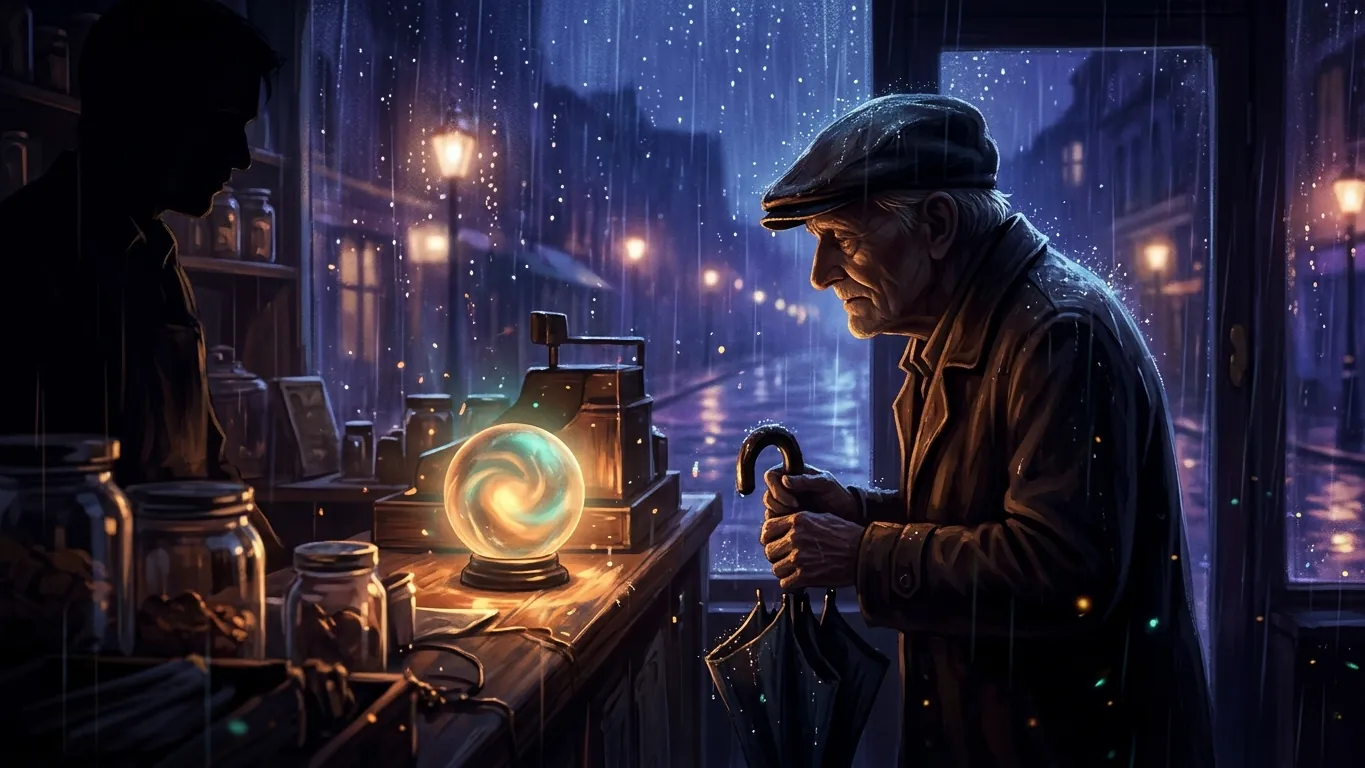
A wish is not always the first request
Many visitors open with something simple. They ask for a happy memory, a calm moment or a reminder of a place. That request is real, but it is often only the surface.
Ask yourself why this person came today. People in the game tend to arrive at a turning point. They need to make a decision, or they feel a connection slipping away. The first request may be a safer way to approach a harder topic.
Keep the opening line in mind, but do not lock onto it. Wait for the scene to show more.
Listen for decisions and lost connections
The memories you offer are meant to help visitors decide something or restore a lost connection. Those two goals are useful filters.
For a decision, listen for choices the visitor keeps circling. Do they mention two paths, a deadline in their life or someone waiting for an answer? A memory that shows them what they valued in the past can help.
For a lost connection, listen for absent people. A name that appears and then gets dropped is a strong sign. So is a place they once shared with someone. A memory that brings that link back into view may be what they need.

Use dialogue choices to ask, not to steer
Dialogue choices are your main tool for learning more. Use them to open the conversation.
Questions that invite a story tend to reveal more than questions that demand a yes or no. Choices that reflect the visitor's feelings back to them can lead to more honest answers. Lines that tell the visitor what to do may close the conversation early.
If you are unsure, pick the option that keeps the visitor talking. You can always narrow things down later.
Match the orb to the need
Once you have a clear idea of the wish, compare it with the orbs you have. Look for overlaps in people, places and feelings.
A memory does not need to be pleasant to help. Sometimes a difficult moment gives a visitor the clarity they lacked. At other times a warm memory gives them courage. Think about what the visitor is ready to hear.
Check the catalogue of finds for fragments tied to the same person or place. A combined memory may fit better than a single orb.
When you are unsure
Some visits are ambiguous on purpose. If two orbs seem equally right, go back over the scene. Look for a contradiction between what the visitor says and what the scene shows. That gap often points to the real wish.
If you still cannot decide, choose the memory that respects the visitor's own words most closely. Then watch the reaction and note it. With regular customers, you may get another chance to understand them better on a later visit.
Related articles
 Putting broken memories back together
A clear method for combining memory fragments in The Memory Exchange Shop: group by person, place and moment, test links and keep useful notes.
Read more
 When two memories cannot both be true
Tips for finding contradictions between memories in The Memory Exchange Shop and using them as clues to understand visitors and their stories.
Read more
 Familiar faces in the rain
An explainer on regular customers in The Memory Exchange Shop: why they return, how their stories open up and how to follow them visit by visit.
Read more