A shared object
The same item appears in both fragments, such as an umbrella, a letter or a photograph.
Fragments are pieces of memories that make more sense together. This guide offers a calm, repeatable method for connecting them.
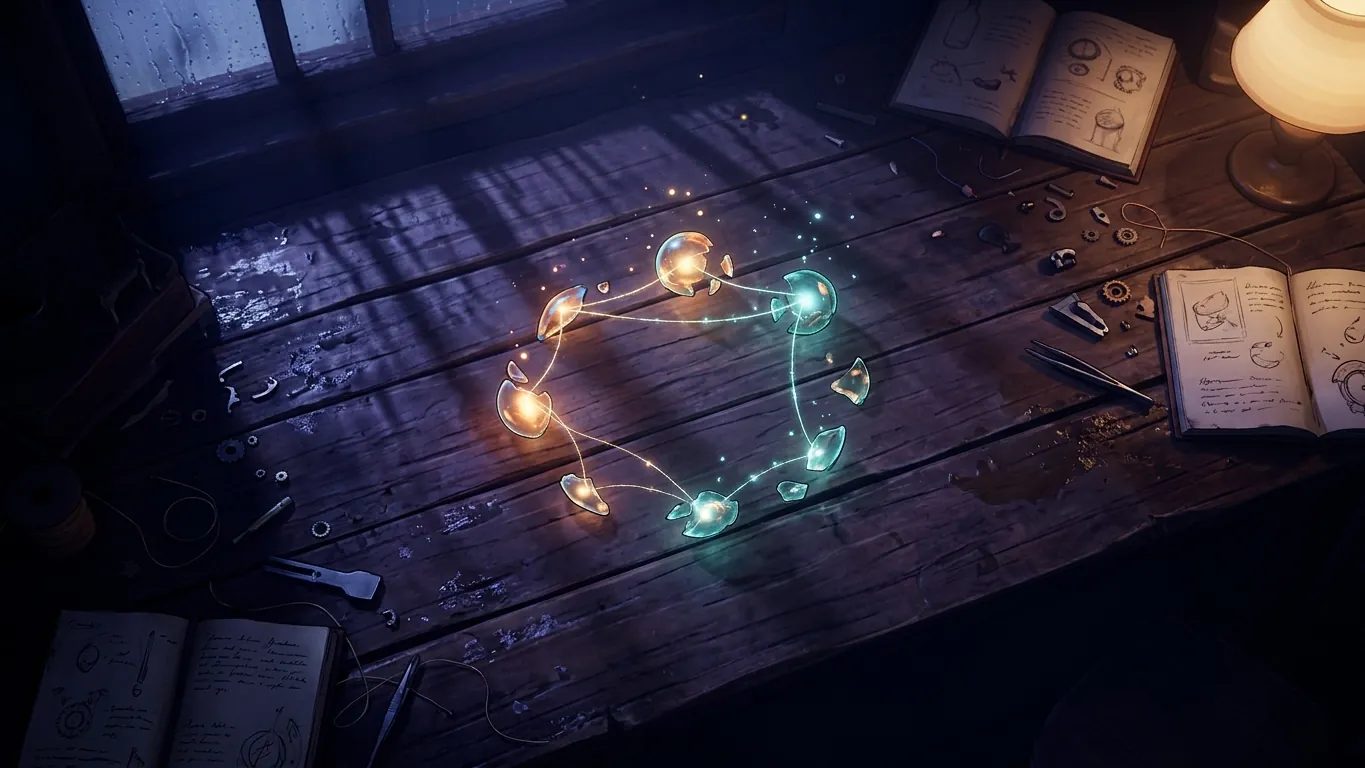
Not every memory in the shop arrives whole. Some come as fragments. On their own, they can be confusing or even misleading. Joined together, they can show a full moment that helps a visitor.
Combining fragments is one of the main puzzle elements of the game. It rewards careful reading more than quick clicking. A good combination can change which memory you offer and how a visitor responds.
Start by sorting. Before you try any connection, look at each fragment and ask three questions. Who is in it? Where does it happen? When does it seem to take place?
Write these answers down or keep them in mind. Fragments that share a person or place are your first candidates. Time is harder to judge, so look for clues such as weather, light, clothing or a season mentioned in dialogue.
This simple sorting step removes a lot of guesswork. It also makes contradictions easier to see later.

These clues often point to a real connection.
The same item appears in both fragments, such as an umbrella, a letter or a photograph.
Both scenes show the same rain, time of day or lighting, which suggests one moment.
A line in one fragment seems to answer a line in the other.
Details of a room, street or view repeat across both pieces.
Once you have a likely pair, test it against the visitor's wish. Ask whether the joined memory tells a clear story. Ask whether it helps the visitor decide or reconnect.
If the combination feels forced, step back. Two fragments can share a place without sharing a moment. Look for a detail that does not fit, such as a person who should not be present or weather that changes without reason.
It is fine to leave a fragment aside for now. Some pieces only make sense after a later visit or a new find.
The catalogue of finds tracks what you discover, and it is your main reference. Still, a short personal note can help. Many players keep a simple list of fragments they could not place, with the person and place next to each one.
When a new visitor mentions a familiar name, check that list. Regular customers in particular can bring the missing piece you needed. Over time, your notes and the catalogue together form a map of the shop's stories.
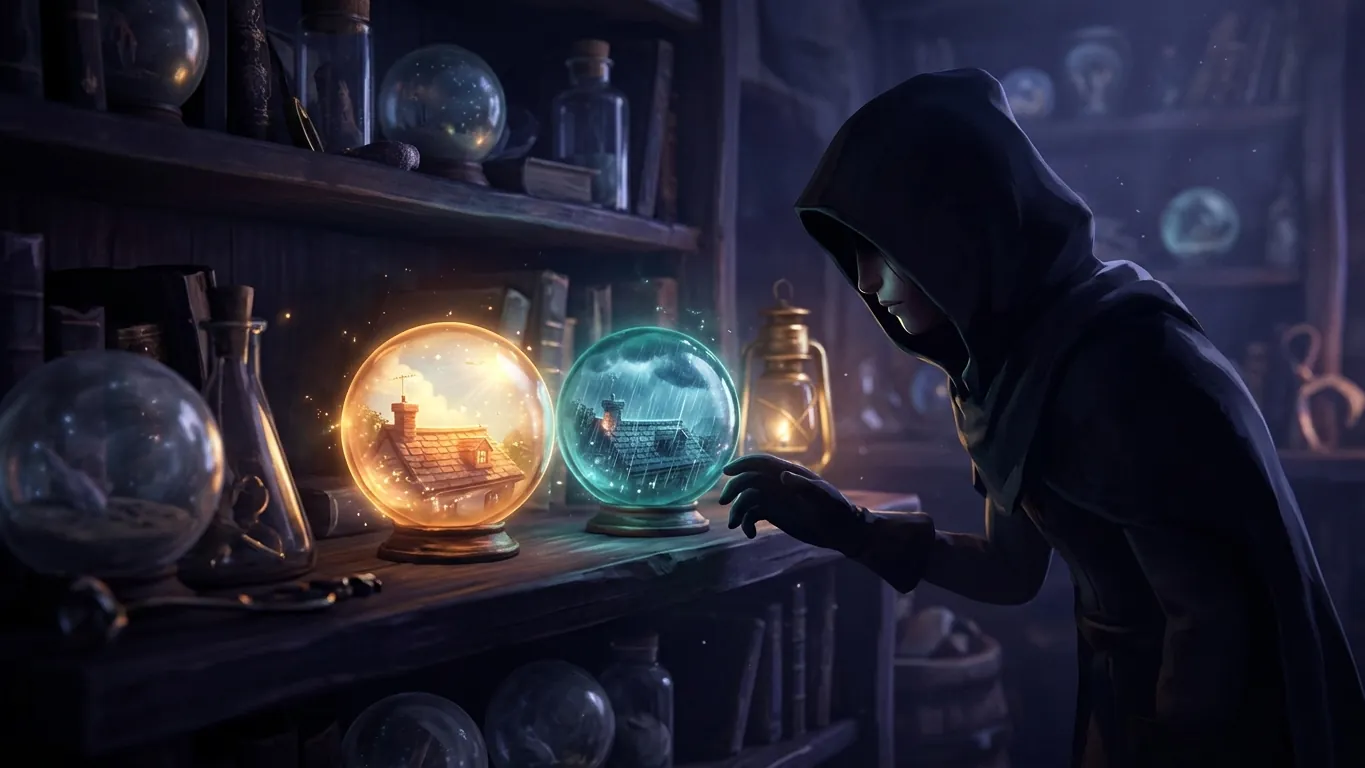 When two memories cannot both be true
Tips for finding contradictions between memories in The Memory Exchange Shop and using them as clues to understand visitors and their stories.
Read more
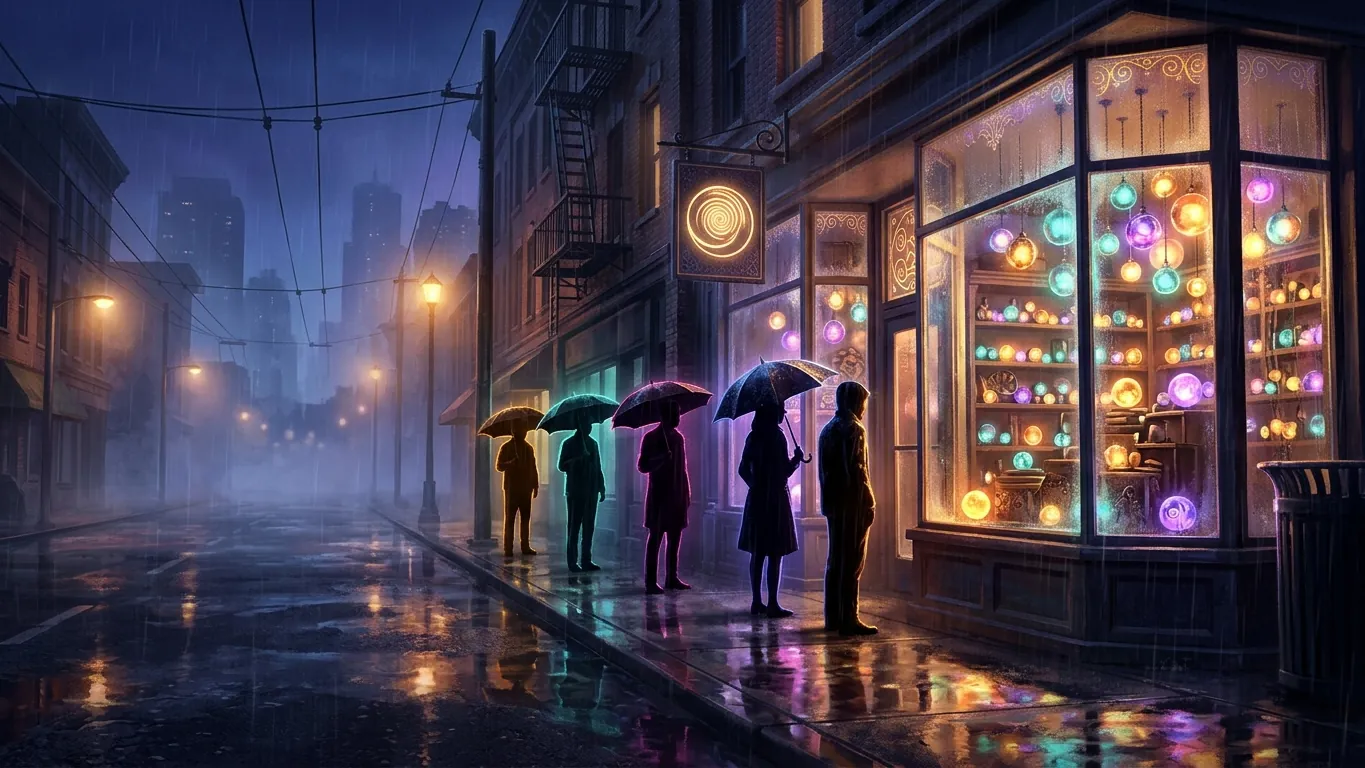 Familiar faces in the rain
An explainer on regular customers in The Memory Exchange Shop: why they return, how their stories open up and how to follow them visit by visit.
Read more
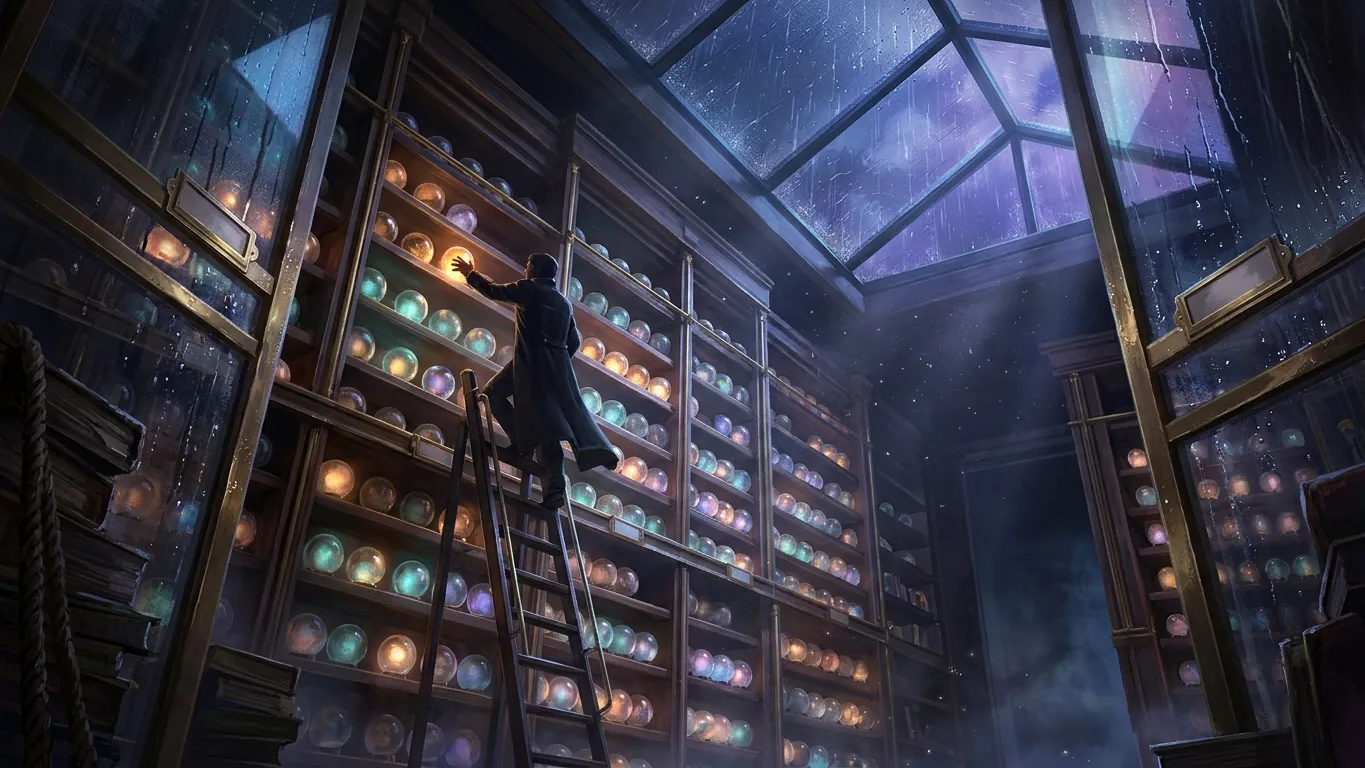 Your record of everything the shop has shown you
How to use the catalogue of finds in The Memory Exchange Shop to track memories, fragments and stories, and to spot links you might have missed.
Read more